Bipasha Basu’s ELLE Cover and “I Started the Muscle Trend” Line Reopen the Mrunal Thakur Fight
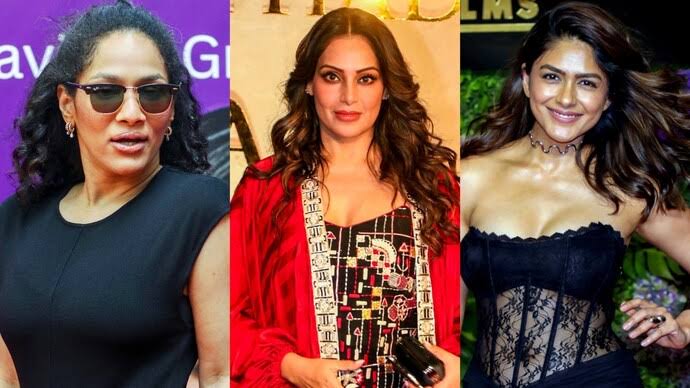
The cover dropped first.
Bipasha Basu in a black mermaid-cut corset gown for Elle India’s September issue. Fitted through the waist. Sheer fringe on the stole. The kind of frame that does not hide the shoulders or the arms. Other frames from the same shoot put her in a gold off-shoulder gown and a red cowl-neck dress. None of them are asking her to look smaller.
Then she talked.
In the same Elle interview she said women with muscle tone were not acceptable as actresses when she started. Petite, fair, delicate — that was the template. She was tall, athletic, tanned. “I think I started the trend,” she said, “and I started preaching love yourself… it’s not just about looking good.”
That sentence did more damage than the jewellery.
What She Actually Claimed
Bipasha is not being shy about credit.
Early 2000s Bollywood wanted a certain heroine. She walked in with a body built in a gym, not a diet rumour. Fitness DVDs. Jism. Race. The first generation of Indian women who treated visible muscle as a look, not a problem.
The origin story she gave Elle is less glamorous than the cover. Doctors warned her about her knees. Surgery was on the table. Dance and action work might go. She started weight training so she would not be dependent on anyone. The physique that launched a thousand comments began as physio.
She also said she likes herself more at 47 than she did in her twenties. Post-pregnancy trolling, she claims, did not land. The bizarre part, in her words: after you give birth, the internet still wants the body of a 20-year-old.
Masaba Said the Quiet Part First
A day before the interview circulated, Masaba Gupta had already posted the cover.
“Last of the OGs.” Cookie-cutter templates. Boring. Dull. Then: “I love your athletic build. I love the muscle… Too bad if someone doesn’t see it as feminine.”
She did not name Mrunal Thakur.
She did not have to.
An old clip of Mrunal — resurfaced last year, circulating again this week — has her asking if you want to marry a girl who is “manly with muscles.” Then: “Go marry Bipasha. Listen, I am far better than Bipasha, ok.” That is the line the comments are pasting under both women’s posts.
Masaba praised the exact thing Mrunal used as an insult. Bipasha then claimed the trend. The timeline wrote itself.
The Look That Makes the Argument Visual
This is not a think-piece cover. It is a body cover.
The Rocky Star black gown follows the line of her back before it flares. The Picante maxi cuts slits through the sleeves so the arms stay in frame. The gold off-shoulder does what off-shoulder always does on Bipasha — it treats the collarbone and the muscle as the jewellery.
That is why the comments split so cleanly. One side: OG. Jism never left. This is what a heroine looks like when she trains. Other side: she is taking credit for a whole generation, and Mrunal is being dragged for a decade-old soundbite.
Both can sit in the same thread. The photograph still wins.
The Fight Under the Fire Emojis
Bollywood still cannot decide if a woman’s muscle is power or a defect.
When Bipasha was the new girl, muscle was “too much.” When she became a mother, the paps body-shamed the recovery. When Mrunal’s clip returned, muscle became “manly.” When Masaba posted the cover, muscle became “feminine, deal with it.” When Bipasha spoke this week, muscle became a trend she says she owns.
The cover does not resolve any of that. It just puts a 47-year-old woman in a corset gown and refuses to blur the arms.
If you came for the gown, say which look hit harder — black mermaid, gold off-shoulder, or the red cowl. If you came for the Mrunal clip, say whether that line still counts. Bipasha already picked a side. She likes this body more than the one that made her famous.
Bipasha Basu in a black mermaid-cut corset gown for Elle India’s September issue. Fitted through the waist. Sheer fringe on the stole. The kind of frame that does not hide the shoulders or the arms. Other frames from the same shoot put her in a gold off-shoulder gown and a red cowl-neck dress. None of them are asking her to look smaller.
Then she talked.
In the same Elle interview she said women with muscle tone were not acceptable as actresses when she started. Petite, fair, delicate — that was the template. She was tall, athletic, tanned. “I think I started the trend,” she said, “and I started preaching love yourself… it’s not just about looking good.”
That sentence did more damage than the jewellery.
What She Actually Claimed
Bipasha is not being shy about credit.
Early 2000s Bollywood wanted a certain heroine. She walked in with a body built in a gym, not a diet rumour. Fitness DVDs. Jism. Race. The first generation of Indian women who treated visible muscle as a look, not a problem.
The origin story she gave Elle is less glamorous than the cover. Doctors warned her about her knees. Surgery was on the table. Dance and action work might go. She started weight training so she would not be dependent on anyone. The physique that launched a thousand comments began as physio.
She also said she likes herself more at 47 than she did in her twenties. Post-pregnancy trolling, she claims, did not land. The bizarre part, in her words: after you give birth, the internet still wants the body of a 20-year-old.
Masaba Said the Quiet Part First
A day before the interview circulated, Masaba Gupta had already posted the cover.
“Last of the OGs.” Cookie-cutter templates. Boring. Dull. Then: “I love your athletic build. I love the muscle… Too bad if someone doesn’t see it as feminine.”
She did not name Mrunal Thakur.
She did not have to.
An old clip of Mrunal — resurfaced last year, circulating again this week — has her asking if you want to marry a girl who is “manly with muscles.” Then: “Go marry Bipasha. Listen, I am far better than Bipasha, ok.” That is the line the comments are pasting under both women’s posts.
Masaba praised the exact thing Mrunal used as an insult. Bipasha then claimed the trend. The timeline wrote itself.
The Look That Makes the Argument Visual
This is not a think-piece cover. It is a body cover.
The Rocky Star black gown follows the line of her back before it flares. The Picante maxi cuts slits through the sleeves so the arms stay in frame. The gold off-shoulder does what off-shoulder always does on Bipasha — it treats the collarbone and the muscle as the jewellery.
That is why the comments split so cleanly. One side: OG. Jism never left. This is what a heroine looks like when she trains. Other side: she is taking credit for a whole generation, and Mrunal is being dragged for a decade-old soundbite.
Both can sit in the same thread. The photograph still wins.
The Fight Under the Fire Emojis
Bollywood still cannot decide if a woman’s muscle is power or a defect.
When Bipasha was the new girl, muscle was “too much.” When she became a mother, the paps body-shamed the recovery. When Mrunal’s clip returned, muscle became “manly.” When Masaba posted the cover, muscle became “feminine, deal with it.” When Bipasha spoke this week, muscle became a trend she says she owns.
The cover does not resolve any of that. It just puts a 47-year-old woman in a corset gown and refuses to blur the arms.
If you came for the gown, say which look hit harder — black mermaid, gold off-shoulder, or the red cowl. If you came for the Mrunal clip, say whether that line still counts. Bipasha already picked a side. She likes this body more than the one that made her famous.
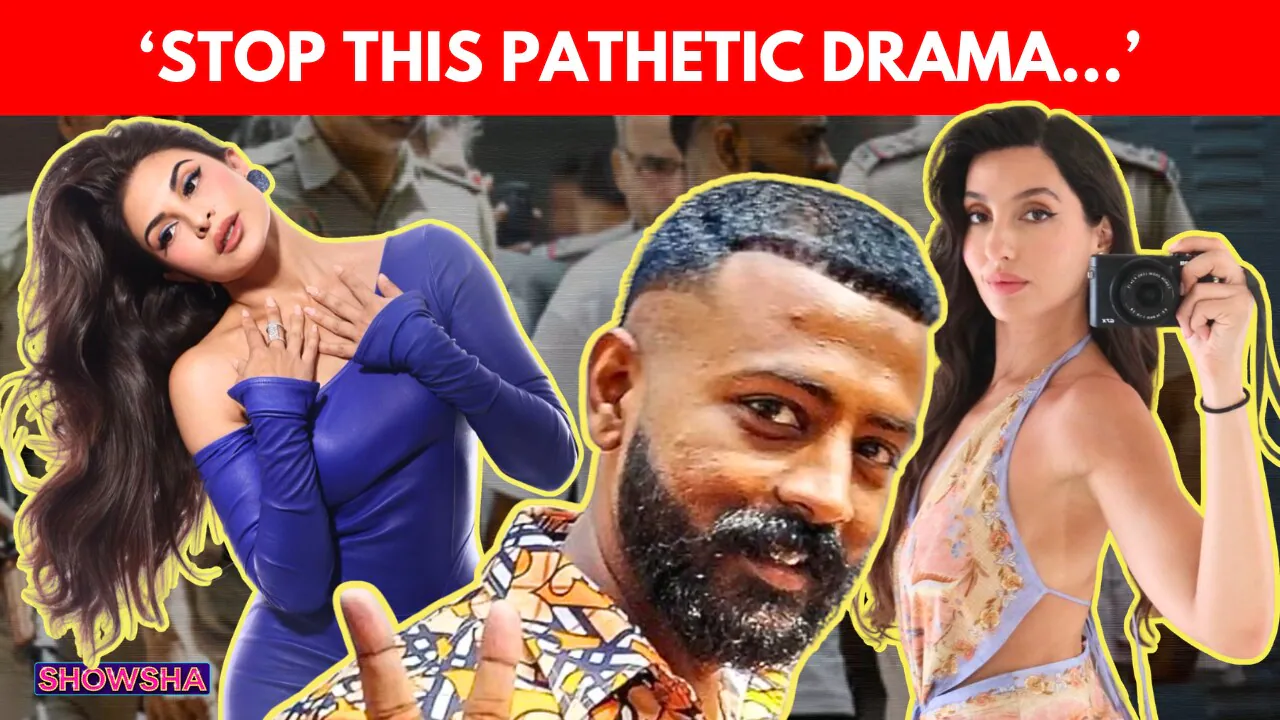 Sukesh Chandrasekhar Calls Nora Fatehi’s Tears “Pathetic Drama” — Birkins, BMWs and a Casablanca House Now on Record
 Poonam Pandey’s Viral Clip: Sex Work Talk, Erotica That “Helps” Men, and Samay Raina in the Same Breath
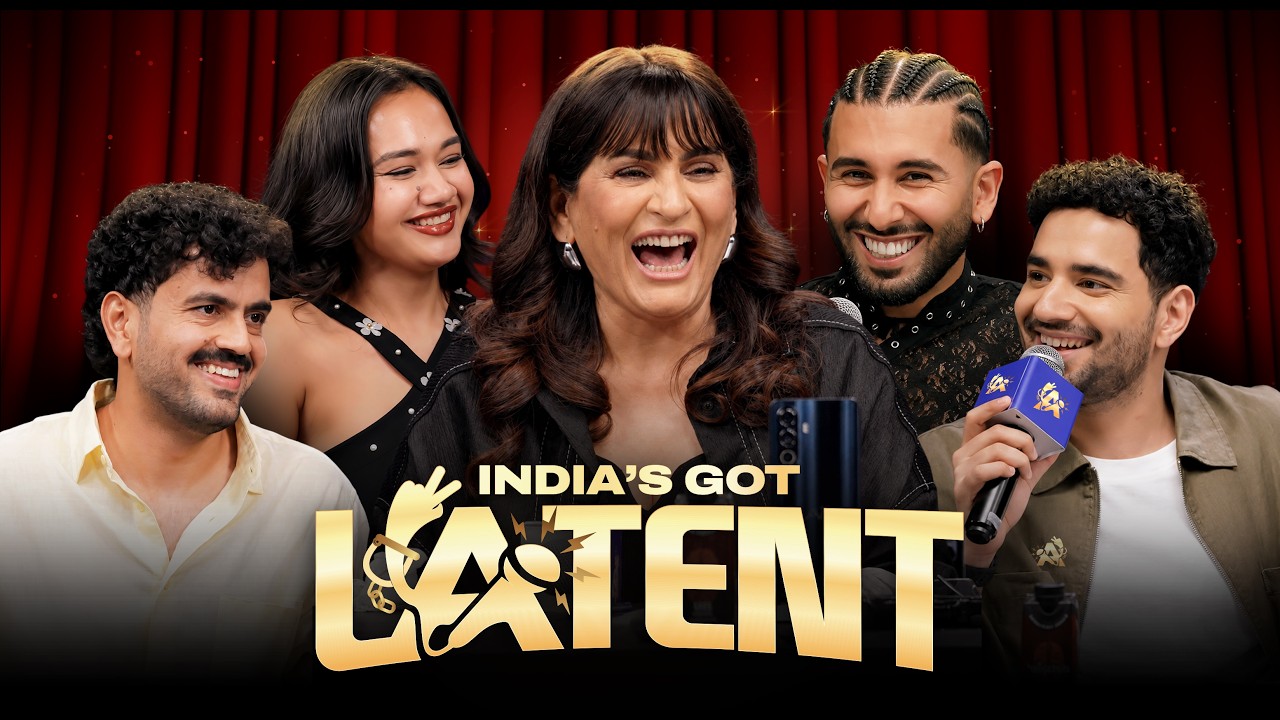 Orry’s “Aukaat Mein Raho” Warning Explodes on India’s Got Latent — And That Hand-on-Chest Pose Is the Real Clip
 Leaked Mirzapur The Movie Clip: Beena and Munna’s Bedroom Scene Hits X Before the Interval Buzz Dies